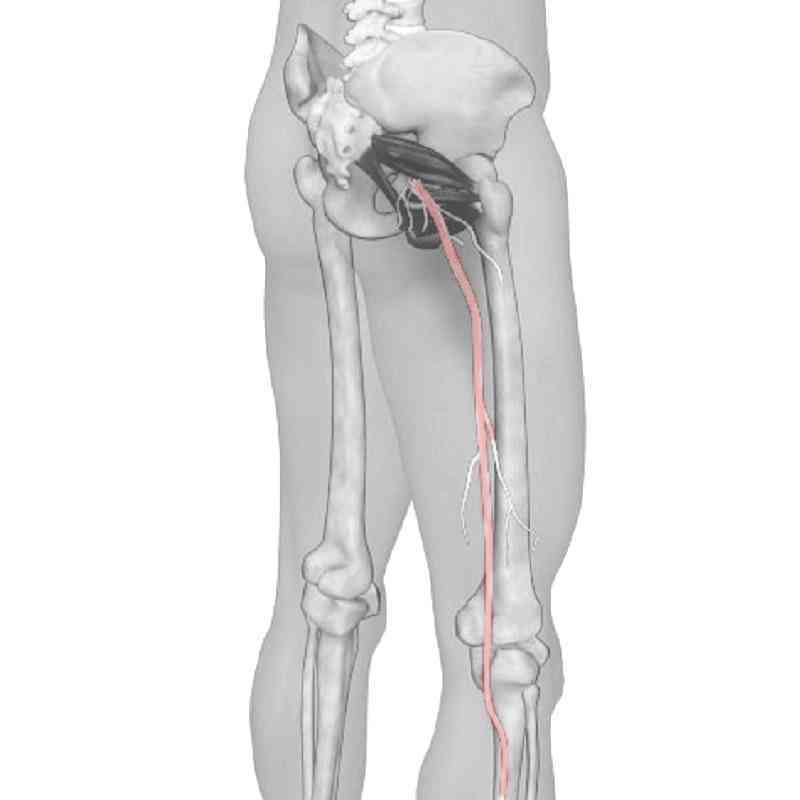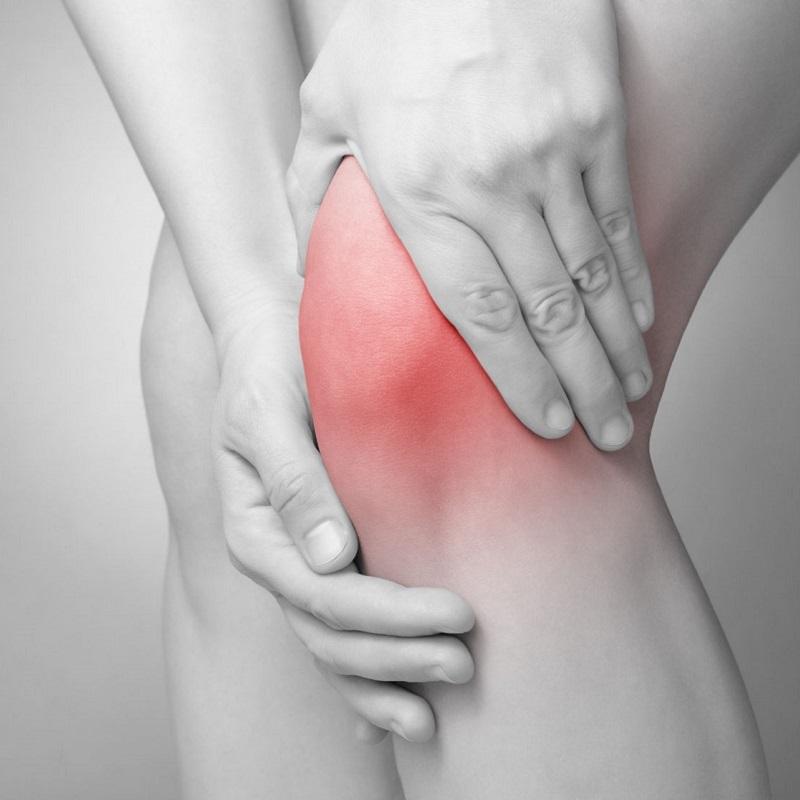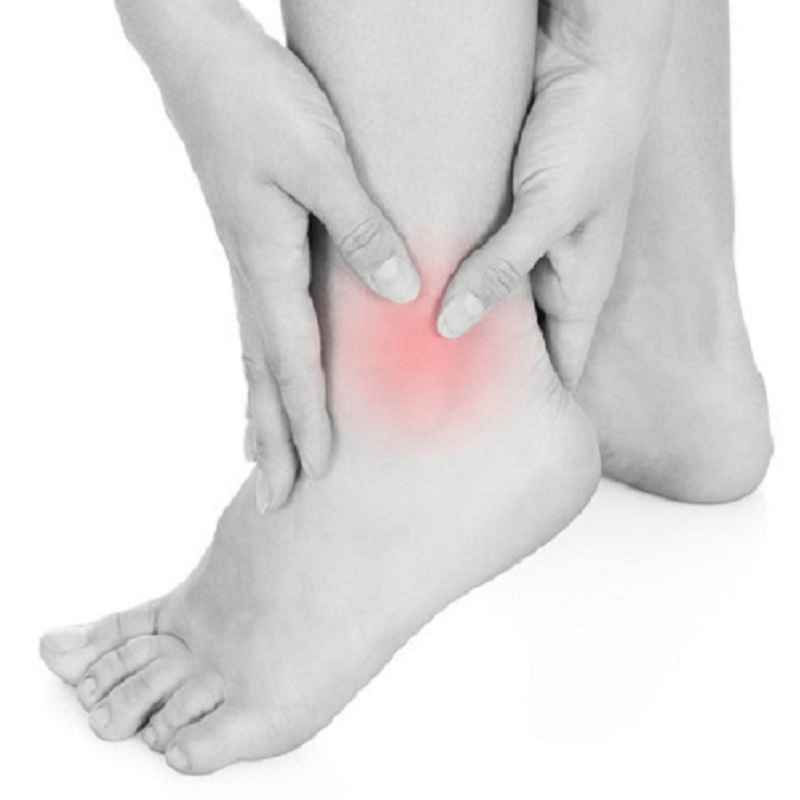

Sprined ankle, plantar fasciitis and bunion are the usual reason of feet and ankle pain. If untreated, it would usually affect posture and cause upper body pain later on.

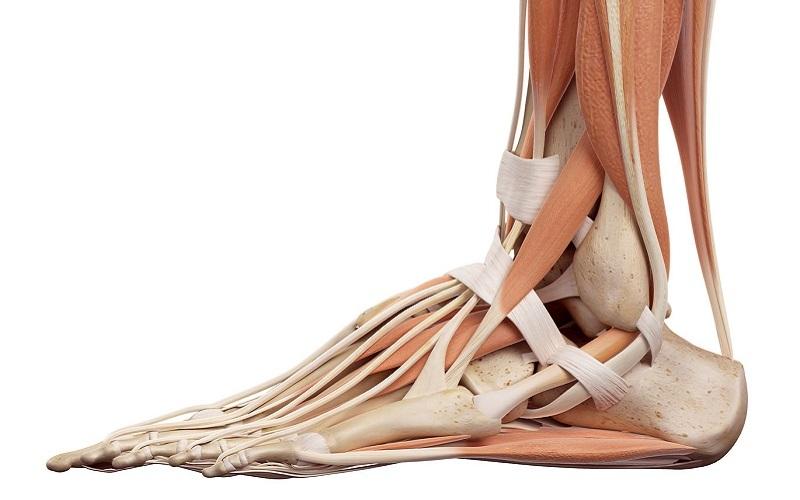
Ankle basic functional anatomy:
Ankle joint includes three joints, they are Inferior Tibiofibular Joint, Talocrural Joint and Subtalar Joint.
The joint is supported by medial and lateral ligament, and it is least stable in plantarflexion, while comparing with dorsiflexion. The medial or deltoid ligaments are stronger than lateral ligament. As a result, 80% of ligamentous sprains are caused by inversion sprain motion.
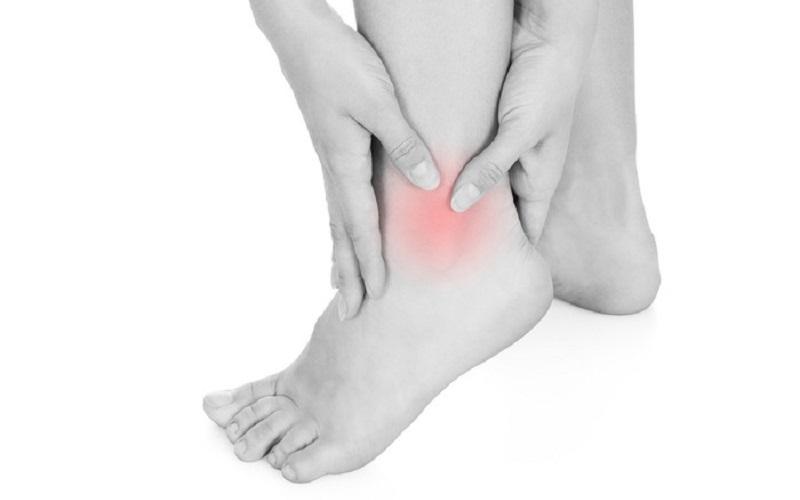
Ankle Pain Common Causes
Ligamentous sprains account for most of the ankle injury. To check for sprain ankle, practitioners or patients could not miss checking ligament integrities of the following three ligament ATFL, CFL and PTFL. For instance, anterior drawer test has good sensitivity and specificity for ATFL related joint stability. Checking the joint laxity and palpating superior fascicles of ATFL are generally practiced by physiotherapist to rule out ligament torn and form the prognosis.
Lesser common reasons could not be missed, including Medial ligament injury, Tibialis Posterior Tendinitis, Peroneal Tendinitis, Osteochondral lesion of the talus.
- Neuroma
- Heel SpursAchilles Tendonitis
- Xanthomas of the Achilles Tendon
- Bunion
- Tibialis Posterior Tendonitis
- Ankle Sprain / Recurrent Sprain / Instability
- Plantar Fasciitis
- Tarsal Tunnel Syndrome
How Traditional Chinese Medicine and Physiotherapy Help?
-
 Focused Extracorporeal Shockwaves
Relieve pain and promote healing from chronic tendinitis
-
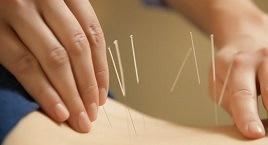 Acupuncture and dry needling
Acupuncture is safe and effectively treat chronic neck pain.1
-
 Cupping therapy
Reduce pain, and improve function and quality of life.2
-
 Manual therapy
Release muscle tightness, improve joint alignment and function.
-
 Chinese Herbal Remedy
Nature way of Pain Killer, and improve sleep quality.
-
 Exercise Therapy
Promote injured tissue healing, improve the function of the affected area.
Reference:
1. Yin, C., Buchheit, T.E., Park J.J.. (2017, October). Acupuncture for chronic pain: an update and critical overview. Current Opinion in Anaesthesiology , 30(5), 583-592. doi:10.1097/ACO.0000000000000501.
2. Liu, S., Wang, Z., Su, Y., Qi, L., Yang, W., Fu, M., Jing, X., Wang, Y., & Ma, Q. (2021). A neuroanatomical basis for electroacupuncture to drive the vagal–adrenal axis. Nature, 598(7882), 641–645. https://doi.org/10.1038/s41586-021-04001-4
Commonly seen related pain conditions